


What Is Best for Cleaning Driveways?

A driveway can make a well-kept home look neglected fast. In Sugar Land, Richmond, and nearby areas, heat, humidity, rain, and regular traffic work together to leave concrete and pavers stained with algae, dirt, tire marks, and rust. If you are asking what is best for cleaning driveways, the real answer depends on the surface, the type of buildup, and how you clean it without causing damage.
For most residential driveways, the best approach is professional surface cleaning with the right pressure, paired with treatment for organic growth and stains when needed. That gives you a cleaner, more even result than basic rinsing, and it avoids the striping, etching, and missed spots that happen when the wrong equipment or technique is used.
What is best for cleaning driveways in Texas?
Texas driveways deal with more than plain dirt. In this part of the state, moisture and shade often lead to algae and mildew, while vehicles leave behind oil drips, tire marks, and general grime. A one-size-fits-all cleaning method usually falls short.
For plain surface buildup, professional pressure washing with a commercial surface cleaner is typically the most effective choice. A surface cleaner spreads pressure evenly, which matters because concrete and pavers can end up looking patchy when cleaned with only a wand. For darker organic growth, a pre-treatment helps break down the algae and mildew so the wash removes more of the root cause, not just the visible layer.
Some stains need more than pressure alone. Oil, rust, and battery acid marks can soak into the surface, especially on older concrete. In those cases, the best results come from combining the proper cleaning solution with controlled washing pressure. More pressure is not always better. Too much force can leave lines, pits, or surface wear that stay visible long after the dirt is gone.
The best method depends on the driveway material
Concrete is the most common driveway surface, and it responds well to professional pressure washing when the pressure is set correctly. Concrete is durable, but it is not indestructible. Using excessive pressure or a narrow tip too close to the surface can etch it and leave permanent marks.
Paver driveways need a little more care. They can be cleaned effectively, but the process has to account for joint sand and surface stability. If the washing is too aggressive, it can displace sand between the pavers and create future movement or weed issues. In those cases, a careful cleaning approach matters just as much as the final appearance.
Asphalt is a different story. It is softer than concrete and can be damaged by high-pressure washing. If the driveway is asphalt, the safest method is a lower-pressure approach with the right cleaning agents. This is where experience really matters, because the wrong settings can scar the surface or shorten its life.
Why pressure washing alone is not always enough
A lot of homeowners assume driveway cleaning means blasting the surface with water and calling it done. That can improve the look for a short time, but it does not always solve the actual problem.
Algae and mildew are common in humid Texas conditions, especially in shaded areas or places where water sits after rain. If those areas are not treated properly, the growth often comes back faster than expected. The same goes for certain stains. Pressure can remove loose grime, but it may not lift deep discoloration without the right treatment first.
That is one reason professional driveway cleaning tends to hold up better visually. The goal is not just to wash the top layer. It is to match the method to the buildup, protect the surface, and produce an even finish across the entire driveway.
Common driveway stains and what actually works
Oil stains are among the most stubborn. Fresh oil is easier to treat, but older stains can penetrate concrete deeply. Degreasing products and repeated treatment may improve the look significantly, though some deep-set stains may lighten rather than disappear completely. Any company promising every oil stain will vanish is overselling it.
Tire marks usually respond well to proper surface cleaning, though heavy traffic areas may need extra attention. Rust stains are trickier because they often require specialty treatment. If handled the wrong way, rust can spread or leave more discoloration. Red clay, fertilizer staining, and irrigation-related buildup can also show up on driveways in this area and each one benefits from a slightly different approach.
Organic growth is where professional cleaning really makes a visible difference. Green and black staining from algae, mildew, and mold is not just ugly. It can also make parts of the driveway slick. Removing that growth safely and thoroughly helps both appearance and traction.
What is best for cleaning driveways without damage?
The safest and most effective answer is trained professional cleaning with commercial-grade equipment and surface-specific methods. That means using enough pressure to clean the driveway well, but not so much that the surface is etched or weakened.
This is especially important on decorative concrete, older driveways, pavers, and areas near landscaping. The cleaning process should account for runoff, nearby plants, and the condition of the surface itself. Eco-friendly methods matter here too, particularly when you want strong results without creating unnecessary risk around your home.
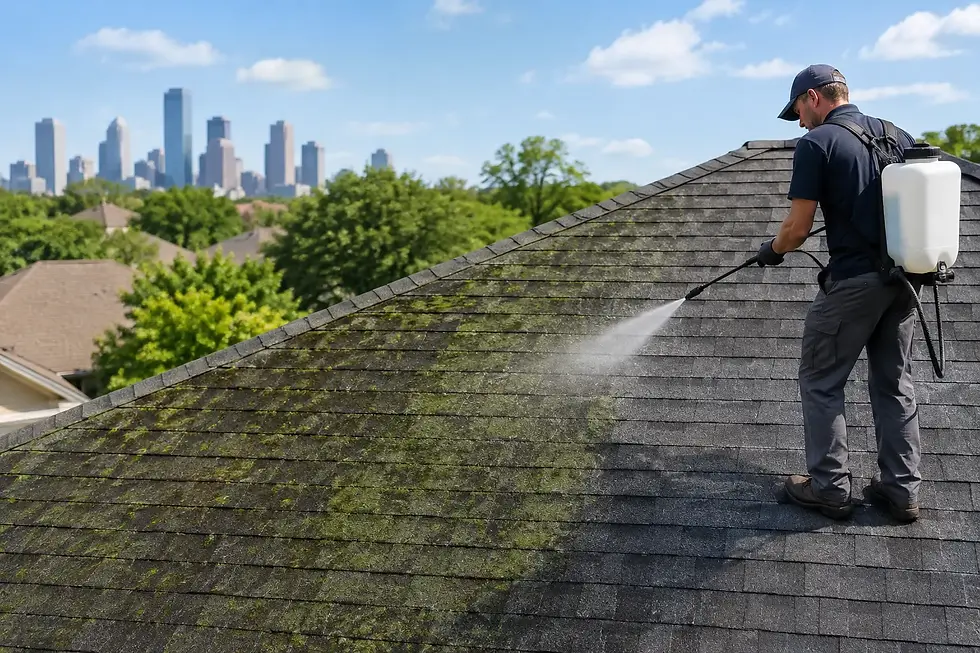
A dependable exterior cleaning company will also know when soft washing is part of the solution. While driveways are often pressure washed, nearby surfaces like siding, fences, screens, and rooflines may need a gentler method to avoid damage. That broader understanding is part of what separates a specialist from someone simply spraying water.
Why local experience matters for driveway cleaning
Driveways in Sugar Land and Richmond face a specific mix of conditions. Humidity feeds algae growth. Summer heat bakes in stains. Storms wash debris onto hard surfaces, and HOA-conscious neighborhoods put a premium on curb appeal. What works in a dry climate or on a brand-new slab may not be the best fit here.
That local factor matters because driveway cleaning is not only about equipment. It is about knowing what tends to build up in this region, how surfaces respond over time, and how to restore a clean appearance without leaving behind damage or uneven results.
A family-owned local company with years of hands-on experience has usually seen the full range - from mildew-covered concrete in shaded subdivisions to commercial entryways with heavy traffic staining. That kind of experience leads to better decisions on pressure levels, treatment choices, and realistic expectations for stain removal.
Professional cleaning vs. waiting too long
One of the costliest mistakes homeowners make is waiting until the driveway looks far gone. The longer algae, dirt, and staining sit on the surface, the harder they are to remove completely. Neglected buildup can also make the property look older and less maintained than it really is.
Regular professional cleaning protects more than appearance. It helps preserve the surface, reduces slippery growth, and keeps the front of the property looking consistent with the rest of the home. For homeowners who care about resale value, neighborhood standards, or simply taking pride in their property, that matters.
For commercial properties, the stakes can be even higher. A stained, dirty driveway or entrance creates a poor first impression for tenants, customers, and visitors. Clean exterior surfaces signal that the property is cared for and professionally managed.
So, what should homeowners choose?
If the goal is the best possible result, the answer is not a store-bought cleaner or the highest pressure setting. It is a professional driveway cleaning service that knows how to treat concrete, pavers, stains, and organic growth the right way for Texas conditions.
That means using commercial surface cleaning equipment, targeted treatment where needed, and techniques that clean thoroughly without leaving stripes or damage. It also means working with a company that is honest about what can be fully removed and what can only be improved.
At Green-go's Hydro-Clean, that is the standard. Homeowners across the area trust experienced exterior cleaning specialists because the result is not just a brighter driveway for a day. It is a cleaner, safer, better-looking surface that supports the appearance and value of the whole property.
If your driveway has started to darken, grow slick in shaded spots, or collect stains that no garden hose will touch, the best time to address it is before the buildup gets worse. A clean driveway changes the look of the entire home, and done properly, it is one of the fastest ways to restore curb appeal.


Comments