


How to Protect Plants During Exterior Washing

A clean driveway, roof, or home exterior should never come at the expense of the landscaping you have worked hard to maintain. Knowing how to protect plants during exterior washing is especially important in Memorial Houston, where heat, humidity, frequent rain, and year-round growth keep lawns, shrubs, palms, and flower beds close to the surfaces that need cleaning.
The right exterior cleaning process removes algae, mold, mildew, dirt, and organic buildup while treating surrounding vegetation with care. That takes more than pointing a pressure washer at a surface. It requires planning, controlled application, proper dilution, and thorough rinsing before, during, and after the work is complete.
Why Plants Need Protection During Exterior Cleaning
Exterior washing often targets the same areas plants surround: siding near foundation beds, driveways beside turf, pool decks near tropical landscaping, and roofs above gardens. In Houston's humid climate, algae and mildew can grow quickly on these surfaces. Removing them is necessary for curb appeal and property maintenance, but cleaning solutions and runoff must be managed responsibly.
Plants can be affected when concentrated cleaners sit on leaves, roots, or dry soil. Tender annuals, newly installed shrubs, potted plants, vegetable gardens, and certain ornamental varieties may be more sensitive than established turf or mature hedges. The condition of the plant, the weather, the cleaning method, and the length of exposure all matter.
This is why a professional should inspect the property before starting. A skilled technician does not treat every home the same way. The washing plan should account for the surface being cleaned, the type of buildup present, nearby landscaping, drainage patterns, and access to water for rinsing.
The Professional Process to Protect Plants During Exterior Washing
Plant protection starts before any cleaning solution is applied. First, the technician identifies landscaped areas near the work zone and checks for delicate vegetation, containers, irrigation heads, ponds, and exposed soil. This walkthrough also helps reveal where water will naturally flow once washing begins.
Pre-wetting Creates a Safer Buffer
One of the most effective safeguards is pre-wetting nearby plants and soil with clean water. Hydrated leaves and root zones are less likely to absorb cleaning solution than dry vegetation. Wetting the soil also helps dilute any minor runoff before it reaches the roots.
This step is not optional window dressing. It is a working part of a careful soft washing process. Plants should be watered thoroughly enough to create a buffer, not simply misted once and forgotten.
Covering Is Used Selectively
Some plants benefit from temporary covering, particularly fragile flowers, young plantings, and decorative beds directly below the treatment area. Covers must be used correctly. Leaving plastic over vegetation for too long under Texas sun can trap heat and cause damage of its own.
For that reason, experienced crews use covers only where needed, keep them in place for a limited time, and remove them promptly once the immediate application is finished. In many cases, controlled application and consistent rinsing are safer than covering an entire landscape bed.
Solutions Are Mixed for the Surface, Not Guessed
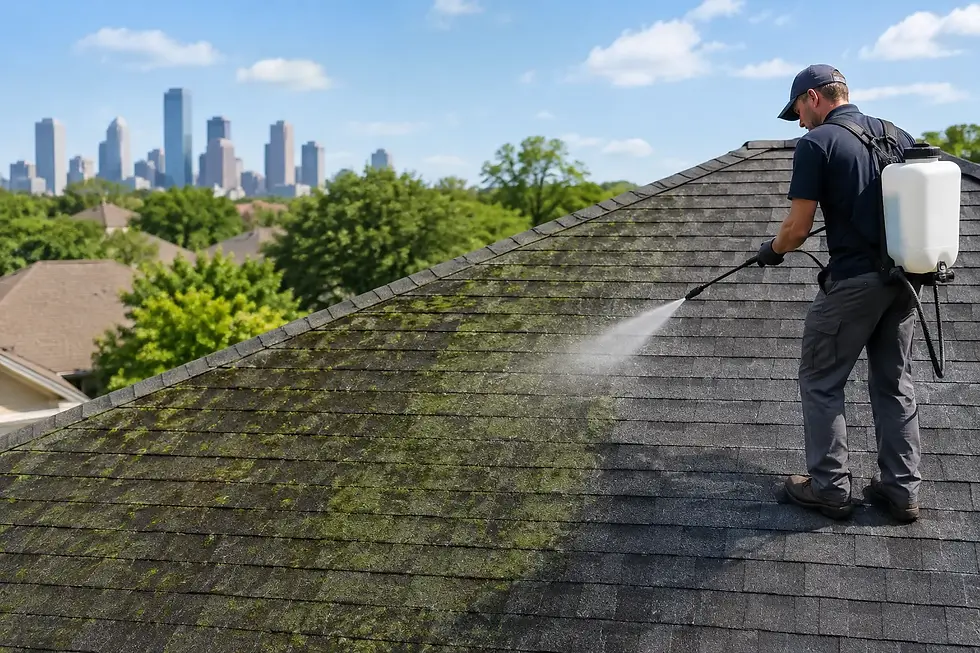
The cleaning approach for a concrete driveway is different from the approach for painted siding, wood fencing, or a shingle roof. Soft washing uses low pressure and surface-appropriate cleaning solutions to treat organic growth without the damage that high pressure can cause to delicate materials.
Proper dilution matters for plant safety as well as cleaning results. Using too much product does not make a job more professional. It can create unnecessary risk for paint, landscaping, and surrounding surfaces. A trained exterior cleaning team adjusts its methods based on the material, buildup, and conditions on site.
Controlled Application Limits Overspray
Windy conditions, close landscaping, and tight side yards all require extra attention. A technician should use application methods that keep the solution where it belongs instead of allowing overspray to drift across flower beds, patio furniture, or neighboring property.
When conditions are not right, the work plan may need to change. For example, a strong gusty day can make roof or siding treatment less predictable. Waiting for safer conditions may be the better choice, even if the customer is ready to have the project completed that day. Careful work is not rushed work.
Rinsing Continues Throughout the Job
Plants are not only rinsed at the end. Nearby vegetation should be monitored and rinsed during the cleaning process, especially when treating large sections of siding, a roofline, or a long fence. Fresh water helps dilute incidental contact and wash residue away from leaves and soil.
After the surface is cleaned, a final rinse of surrounding vegetation and hardscapes provides another layer of protection. The crew should also look for pooled water, solution trapped in low areas, or runoff moving toward planting beds.
Why Soft Washing Is Often the Better Choice Near Landscaping
High-pressure washing has a place on durable surfaces such as concrete, but it is not the answer for every exterior cleaning job. On roofs, painted siding, stucco, vinyl, wood, and many fences, excessive pressure can force water behind surfaces, strip finishes, scar materials, or damage shingles.
Soft washing is designed for these more delicate areas. It uses low-pressure application to treat and remove mold, algae, mildew, and grime at the source. The result is a cleaner surface without relying on aggressive pressure that can blast debris into beds or physically harm nearby plants.
That said, soft washing is only as safe as the person performing it. The equipment, solution ratios, coverage, rinse process, and attention to landscaping all matter. Homeowners should look for a company that can explain how it protects both the surface and the property around it.
What Homeowners and Property Managers Should Do Before Service
You should not have to manage the cleaning process yourself, but a few simple preparations help the crew protect your property. Move lightweight potted plants, hanging baskets, outdoor cushions, children's toys, and patio décor away from the immediate work area when possible. If there is a special plant, herb garden, koi pond, irrigation concern, or newly planted landscaping, point it out during the walkthrough.
It also helps to keep outdoor water access available and ensure gates are unlocked. If your irrigation system is scheduled to run during the service window, turn it off temporarily unless the cleaning team advises otherwise. This prevents unexpected water flow and makes it easier to control where rinse water travels.
For commercial properties, property managers should identify landscaped entrances, tenant patio areas, loading zones, and drainage-sensitive spots before work begins. A professional crew can plan around those conditions, but clear communication prevents surprises.
Red Flags to Watch for When Hiring an Exterior Cleaning Company
The cheapest quote can become expensive if the work damages roof materials, siding, plants, or irrigation equipment. Ask how the company protects landscaping before agreeing to service. A dependable provider should have a clear answer that includes pre-wetting, controlled application, rinsing, and monitoring the property during the job.
Be cautious of anyone who promises to pressure wash every surface the same way. Roofs and siding need different methods than driveways and pool decks. You also want a crew that recognizes when weather conditions or plant placement call for an adjustment in the plan.
Green-go's Hydro-Clean approaches each property with the goal of restoring curb appeal without treating your landscaping as an afterthought. With more than 500 satisfied customers, our family-owned team understands that a clean exterior should leave the whole property looking cared for.
A Cleaner Exterior Should Still Look Like Home
Your landscaping frames the driveway, softens the lines of your home, and adds value long after the wash equipment is packed away. Choose exterior cleaning that respects those details. When the process includes thoughtful preparation, gentle surface-appropriate methods, and active plant protection, you can enjoy a cleaner property without sacrificing the green spaces that make it yours.


Comments