

Can Pressure Washing Damage Concrete? What to Know

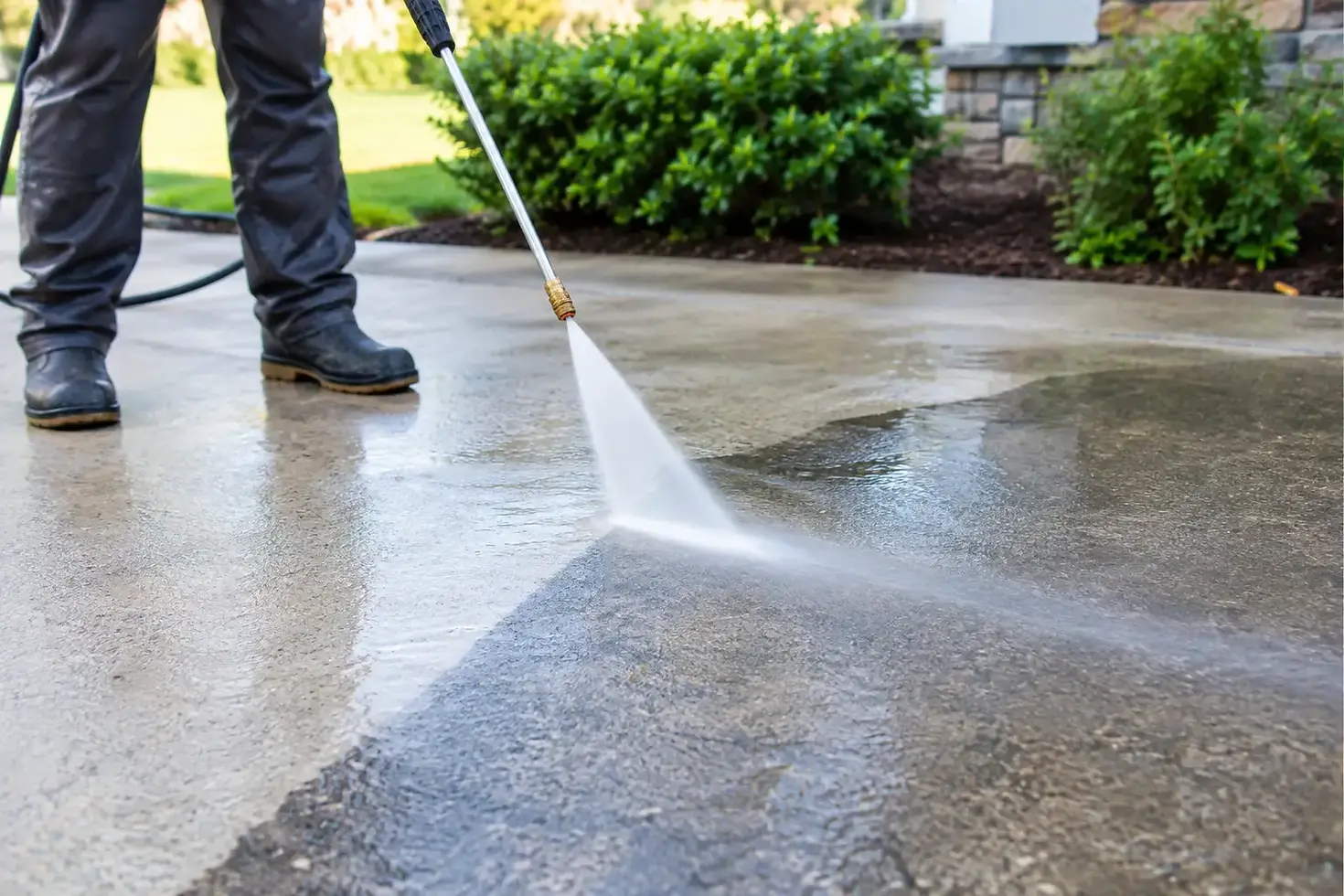
A Houston driveway can look permanently stained after a long, humid season of algae, tire marks, and tracked-in dirt. That does not mean it needs the highest possible pressure. Can pressure washing damage concrete? Yes, when it is done with the wrong pressure, tip, distance, or cleaning process. The good news is that properly cleaned concrete can look dramatically better without being harmed.
Concrete is tough, but it is not indestructible. The surface has pores, aggregate, joints, and a finished top layer that all require a measured approach. For Memorial Houston homeowners and commercial property managers, choosing the right cleaning method protects both curb appeal and the long-term condition of the surface.
Can Pressure Washing Damage Concrete? Yes, If It Is Done Wrong
Pressure washing damage usually happens when someone treats every slab the same. A powerful machine in untrained hands can strip away the weak surface layer, leave visible wand marks, or force water and debris into joints and cracks. The damage may be immediate, or it may become more noticeable over time as the roughened area holds more dirt and moisture.
New concrete is especially vulnerable. Concrete continues curing and gaining strength for weeks after it is poured. Washing it too soon can disturb the surface before it has fully hardened. Older concrete needs care as well, particularly when it already has hairline cracks, flaking areas, exposed aggregate, or previous patchwork.
The goal is not simply to blast stains away. It is to use enough pressure, proper cleaning solutions, and controlled equipment to remove buildup while leaving the concrete surface intact.
Etching and visible cleaning lines
Etching is one of the most common signs of improper concrete pressure washing. It occurs when pressure is concentrated too closely in one spot, often with a narrow spray tip. Instead of removing only grime, the stream cuts into the concrete paste at the surface.
The result can look like pale lines, swirls, or stripes that become obvious once the driveway dries. These marks are difficult to correct because the concrete itself has been changed. A professional avoids this issue by matching the equipment and pressure to the condition of the slab and maintaining consistent movement across the entire area.
Pitting, flaking, and exposed aggregate
Concrete that is already weak can chip or pit under excessive force. This is more likely with older driveways, poorly finished slabs, areas damaged by freeze-thaw cycles, and surfaces that have begun to spall or flake. High pressure does not cause every concrete defect, but it can make existing deterioration worse.
When a slab has exposed aggregate or crumbling patches, cleaning should be adjusted rather than pushed harder. In some cases, a lower-pressure rinse paired with a targeted cleaner is the safer choice.
Damage to joints, edges, and nearby surfaces
Expansion joints and control joints are designed to allow concrete movement. They can also collect dirt, weeds, and organic debris. Directing intense pressure into these joints can dislodge joint material, wash out loose sand, or worsen an existing crack.
Edges deserve the same attention. Driveway borders, garage thresholds, brick trim, painted surfaces, and landscaping can all be affected when runoff and pressure are not controlled. A quality cleaning service plans for the full property, not just the square footage of concrete.
Why Houston Concrete Needs a Smarter Cleaning Method
Houston-area concrete deals with more than ordinary dust. High humidity encourages algae, mildew, and organic growth, especially in shaded driveways, pool decks, sidewalks, and patios. Rain, tree debris, vehicle fluids, and irrigation overspray add another layer of buildup.
It is tempting to think more pressure is the answer to slick green growth. Often, it is not. Algae and mildew respond best when the surface is treated appropriately before or during the wash. This allows the cleaning team to use controlled pressure instead of repeatedly attacking the same area with a powerful stream.
That distinction matters in HOA communities and well-kept commercial properties, where uneven cleaning marks can stand out just as much as the original staining. A clean driveway should look evenly restored from the street, not like it was rushed with a wand.
The Professional Approach to Safe Concrete Cleaning
Safe results begin with an inspection. Before cleaning, a trained technician should look for cracks, loose material, oil spots, rust stains, efflorescence, previous sealers, and areas where the concrete is already deteriorating. These details determine the right method.
For broad driveway and sidewalk surfaces, a surface cleaner is often the best tool. It keeps the spray at a consistent height and cleans in overlapping passes, reducing the chance of zebra striping or uneven results. Edges and tight areas may need hand work, but they should be handled carefully with the correct tip and a controlled spray pattern.
Cleaning solutions also have a place. The right product can break down algae, mildew, organic staining, and surface grime so less pressure is needed. Eco-conscious application and careful rinsing are particularly important around grass, plants, pools, and drainage areas. Strong chemicals or careless runoff can create a new problem while solving the old one.
At Green-go's Hydro-Clean, the focus is on restoring the appearance of driveways, patios, sidewalks, and pool decks without taking unnecessary risks with the surface. That means adjusting the process to the concrete in front of us, not relying on one setting for every job.
When Pressure Washing Is Not the Right First Step
Some concrete should not receive standard pressure washing until other issues are addressed. If the slab is freshly poured, severely cracked, actively flaking, or coated with a failing sealer, aggressive washing can worsen the condition. A surface with structural movement or deep cracks may need evaluation and repair before it is cleaned.
Certain stains also call for a specialized treatment. Rust, fertilizer stains, battery acid damage, and deep oil contamination may not come out with water pressure alone. Using more force on these stains can leave a scar while failing to remove the discoloration. The right stain-specific cleaner and dwell time are usually more effective.
Pool decks require additional caution. Many have coatings, textured finishes, decorative overlays, or nearby equipment that should not be exposed to high pressure. In these cases, soft washing or low-pressure cleaning methods may be the better fit.
What Homeowners Should Expect From a Qualified Service
A dependable exterior cleaning company should be able to explain how it will protect your concrete before work begins. You should expect a clear assessment of visible damage, an approach suited to the surface, and attention to runoff, landscaping, windows, garage doors, and adjacent materials.
The lowest quote is not always the best value if it relies on rushed work or maximum pressure. Concrete damage can be costly to disguise or repair, while a careful cleaning can extend the time between deep cleanings and keep the property looking maintained.
Ask whether the team uses surface cleaners for large flatwork, how they handle algae and stains, and what adjustments they make for older or damaged concrete. Direct answers are a good sign that the provider understands the work beyond operating a machine.
Keep Concrete Clean Without Taking Chances
Concrete should make a strong first impression, whether it is the driveway leading to your home or the walkway in front of your business. When grime, algae, and stains start taking over, the safest solution is not more force. It is the right combination of inspection, cleaning treatment, controlled pressure, and experienced hands.
A careful professional cleaning can bring back a brighter, more uniform surface while helping protect the concrete you already invested in. If your driveway, patio, sidewalk, or pool deck needs attention, choose a local team that treats surface protection as part of the job, not an afterthought.


Comments